
Designing products and packaging for lower impact without losing margin
Packaging fees, carbon border charges and customer data requests now attach a price to design decisions. Used well, the same decisions can protect your hard earned margin.

Some of the cost and most of the environmental impact of a product are already fixed during the design phase, long before anyone in operations sees it. The material specification, the weight, the number of components, the pack format and how many units fit on a pallet are already set. While procurement can negotiate the price of a specified material, it cannot easily change the specification every time.
This is one of the reasons why procuring a sustainable design is often treated as an additional cost. A designer is asked to "make it greener", picks a recycled or bio-based material at a premium, and the margin falls. The board concludes that sustainability and profit pull in opposite directions.
But they do not have to be opposites. The trick is to design against the full cost of a product across its life rather than the unit price alone, and this should include the regulatory costs aligned with the choice of materials.
Packaging: the fee schedule is now a design brief
UK extended producer responsibility for packaging has turned packaging material into a per-tonne charge. For 2025-26, the confirmed base fees included £423 per tonne for plastic, £461 for fibre-based composites, £266 for aluminium, £196 for paper and board and £192 for glass.
From the second year, fees vary with recyclability. The illustrative 2026-27 fees published in December 2025 put plastic at £415 per tonne for green-rated packaging, £455 for amber and £545 for red. Fibre-based composites ranged from £475 to £630. RECOUP's summary was that red-rated materials would pay around 20% more than the amber base rate, while green-rated packaging would receive a discount of around 9%. The BRC noted that the framework escalates the red modulation factor over consecutive years. Check the confirmed rates for the current year before modelling, but the direction is clear.
Three practical conclusions follow.
Weight is money twice: lighter packaging lowers the EPR fee and often lowers freight cost by improving cube and pallet fill. Right-sizing outer cases is one of the few changes that reduces material, freight, damage and fees at the same time.
Beware of paper swaps that might not be one: replacing plastic with a paper-plastic laminate can move a pack into the fibre-based composite category, which carries some of the highest fees on the schedule and may score poorly on recyclability. A mono-material plastic that is widely recycled can be cheaper under the scheme than a composite that looks greener on the shelf.
Recyclability rating is also a commercial lever: on the illustrative plastic rates, a red-rated pack pays around 30% more per tonne than a green-rated one. For a business placing a few hundred tonnes of plastic packaging on the market, that is a meaningful number.
Products: materials, weight and what happens at the end
For most manufacturers and retailers, the largest source of emissions is the materials they buy. CDP and BCG found that reported supply chain emissions averaged around 26 times companies' own operational emissions. Design is generally the first and most obvious point where those emissions are cheapest to change.
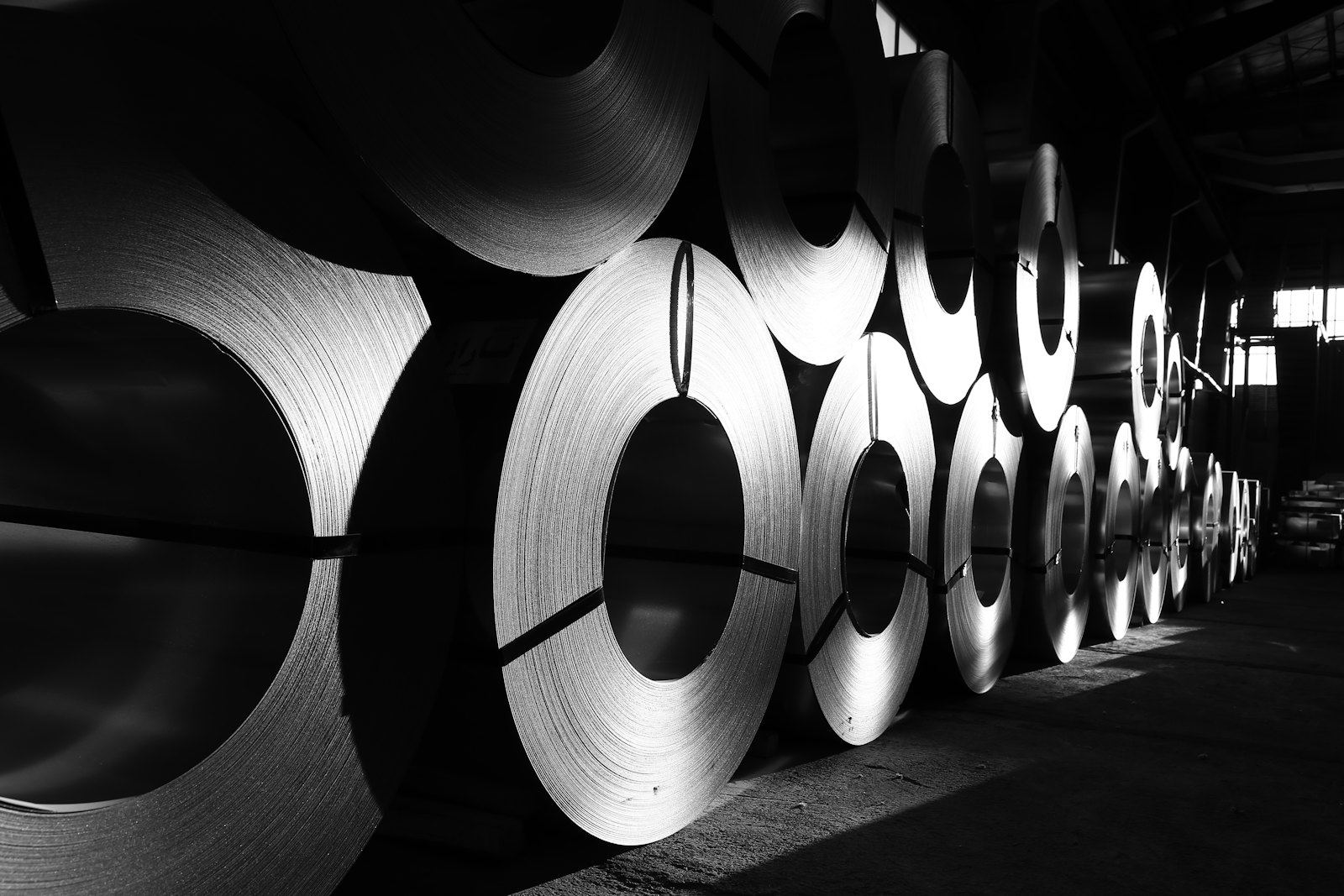
Metals deserve your urgent attention: the EU carbon border adjustment mechanism entered its definitive period in January 2026 for goods including iron, steel and aluminium, with importers above a 50 tonne annual threshold required to buy certificates for embedded emissions. In December 2025 the Commission proposed extending it to around 180 downstream products such as nails, fencing, pumps, engines and metal office furniture, and the Parliament and Council were negotiating the extension in autumn 2026. If your product goes into the EU and contains significant steel or aluminium, the carbon intensity of that metal is likely to become part of its price.
Design levers that tend to reduce both impact and cost include: reducing material weight through better engineering rather than substitution, cutting component count, standardising materials across a range to improve purchasing scale, designing for repair or refurbishment where your business model can capture the value, and making products easy to disassemble so that returns and end-of-life material can be recovered rather than paid for as waste.
A consumer goods client used a heavy rigid plastic tray inside a box that already protected the product. Testing showed a moulded card insert did the same job. It cut packaging weight per unit by about a third, reduced EPR fees, and lowered unit cost, as they also saved money on the new insert vs the tray.
How to run it without losing margin
Give the design team a full cost model, not just a unit price target. Also include material, conversion, freight per unit at realistic pallet fill, EPR fees, expected damage and returns, and any carbon-linked charges. Many design choices that look expensive on unit price pay back across that wider set.
Start with high-volume packaging. It is quick to change, the fee schedule makes the payback visible, and the results build credibility for harder product changes.
Make procurement a design partner. Buyers know which materials are tight, which suppliers can provide recycled content reliably and where a specification change would let you consolidate spend.
Measure margin before and after. Every design change should carry a simple business case and a post-launch check. That discipline is what persuades a sceptical board.
- British Retail Consortium: Packaging EPR, June announcements update
- RECOUP: Defra announce EPR illustrative base fees for 2026-2027
- CDP: Corporates' supply chain scope 3 emissions are 26 times higher than their operational emissions
- European Commission Access2Markets: Start of the definitive period of the CBAM in the EU
- Mayer Brown: European Commission issues CBAM operational rules and proposes downstream extension of the CBAM scope
- Mayer Brown: EU's CBAM downstream extension and anti-circumvention amendments, the road to trilogue
More from Waterfront Advisory.
CSRD, UK SRS and CBAM: what actually applies to a mid-sized business
After the EU Omnibus changes, far fewer mid-sized firms report directly. Many are still affected through customers, imports and listings. A plain guide, current to October 2026.
Read the article →
Operational due diligence: the questions financial diligence misses
The quality of earnings report tells you what the business earned. Operational diligence tells you whether it can keep earning it, and what it will cost to grow.
Read the article →
The first 100 days: where supply chain value hides in a new acquisition
Most 100-day plans are strong on governance and reporting and thin on the supply chain. That is usually where the quickest cash and the stickiest margin sit.
Read the article →Follow us on LinkedIn.
Occasional insights from Waterfront Advisory. New articles, tools and what we are seeing across supply chains go on LinkedIn first.